

Our bestselling, award-winning & customizable mattress
Saatva Classic Mattress
1449 Twin – Split Cal King
Comfort Corner
Dr. Kevin M. Wong
Expert Details

Saatva sat down with California-based chiropractor, certified “RockDoc,” and Saatva health consultant Dr. Kevin Wong to discuss his specialization in the feet, extremities, sports injuries, and children.

There are many people in our world who suffer from various aches and pains. Headaches, neck pain, shoulder pain, back pain, hip pain, knee pain, foot and ankle pain. What people may not realize is that one of the few professions that can work on all of these areas and actually FIX most problems is Chiropractic. As a profession, we talk to patients, understand their pain, and look at the whole body to put together the puzzle of what is ailing them. Often, this involves overlapping body systems because the area someone points to as the pain may not be the actual source. The detective work, the personal relationships we develop with patients, and the satisfaction of identifying the patterns in what is going on in a patient’s body are all reasons I love this job. We use our hands, along with some of our adjunct tools and therapy machines, to help patients feel better naturally. No prescription drugs, no surgery, no covering up symptoms. This profession has been around since 1895, so it works. I absolutely love becoming part of people’s lives and helping them to feel their best and be happy.
Over my 30 years of practice, I have been honored to teach numerous chiropractic continuing education classes across the United States and internationally. One of my golden rules is “the more techniques and therapies you know how to use, the more patients you will help”. I am 5′ 6″ and shrinking. As a smaller, shorter Chiropractor, I have to get resourceful to handle larger, taller patients. Being able to treat infants, children, adults, the elderly, athletes, non-athletes, and all kinds of people is important. Having a diversified practice with people, chiropractic techniques, and modalities provides me the ability to treat just about everyone. I put special emphasis on the jaw, shoulders, feet, and ankles, which are my favorite parts of the body to work on. The body’s entire foundation is your two feet. The way they support you and bear weight establishes patterns that will be visible from the toes to the nose. My practice philosophy and foundation are “supporting your body from the ground up.”
Your feet are the foundation of your body. They support your weight, help align your posture, and absorb the impact of daily movement. Each step creates a force that travels from the ground up through your body. When your heel strikes the ground, it experiences forces of up to 5Gs. Ideally, your feet absorb about 30% of that shock, reducing the stress transmitted to the joints, spine, and even the head.
However, nearly 90% of people have some degree of flat feet, which limits this natural shock absorption. As a result, more force travels upward through the body within milliseconds, increasing the likelihood of joint stress, strain, and dysfunction.
Because the body is interconnected, problems in the feet can contribute to pain elsewhere. Conditions such as plantar fasciitis, flat arches, or improper footwear can alter biomechanics and lead to issues in the knees, hips, lower back, and neck. This is why I emphasize a foot-focused approach to identifying and treating pain at its source.
Common conditions related to foot dysfunction include:
I love talking about the proper setup of your workstation (ergonomics) because it is an important part of my practice. Here is how you can make some simple adjustments to any workstation, whether it is at home or work:
Sleep has become a large part of my practice. Every new patient gets asked about their mattress on the first day they come in for care. Sleep is key, and we are learning more and more about the effects of proper and insufficient sleep on the human body. The way a person sleeps will also determine the kinds of stress patterns that exist in their body during the 6-9 hours they are supposed to be sleeping. Most people I encounter do not know how old their mattress is or what brand it is. Remember, a mattress’s lifetime is usually 7-10 years. But many people sleep on them much longer than that. It is routine for me to hear about someone sleeping in the “divot” left by their body sinking into the mattress. Research on sleep has been more prevalent over the last 5-10 years, so we know there can be negative effects on everything from brain and heart function to healing, mental clarity, and concentration as a result of a bad night’s sleep. So many systems and organs of the body are affected by sleep, and people are just now becoming more aware of them.
Sleep really boils down to position and a proper mattress and pillow. Most people sleep on their side, which can be good for certain digestive issues, snoring, and pregnancy. But sleeping on your side puts stress on your neck, shoulders, lower back, pelvis, hips, and knees. Sleeping on the back is the best position for the spine, but some people snore louder like this, and people with Gastrointestinal problems find this position makes their symptoms worse. Sleeping on the stomach is bad for the spine because people turn their heads in order to breathe. This puts stress on the neck, shoulders, and upper back.
Which Saatva sleep or bedroom products do you believe best support healthy recovery and restorative sleep, and why?
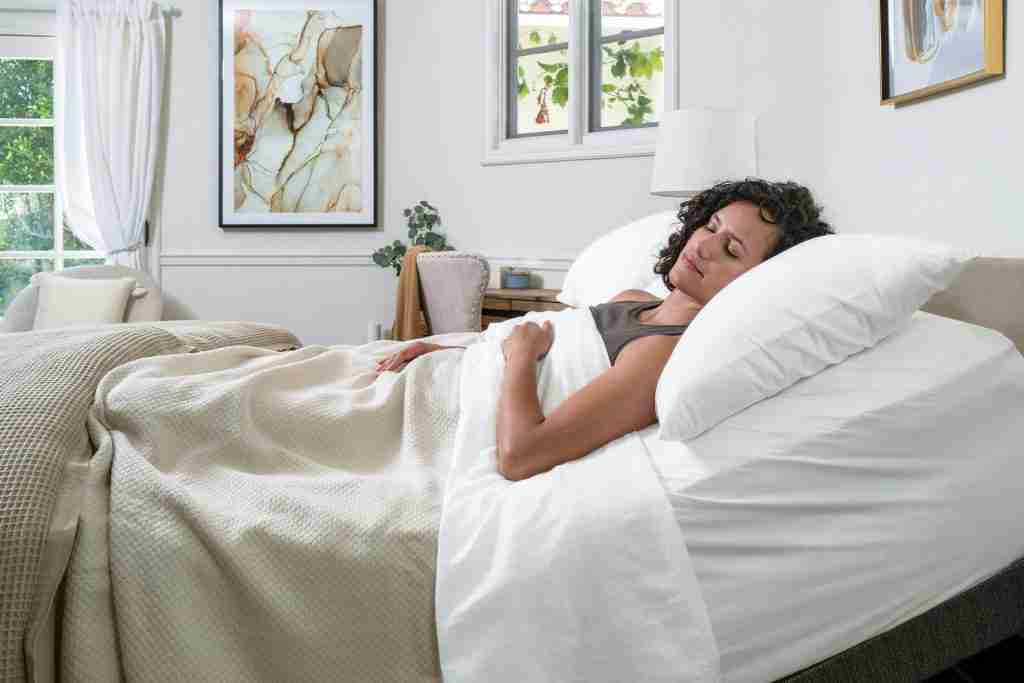
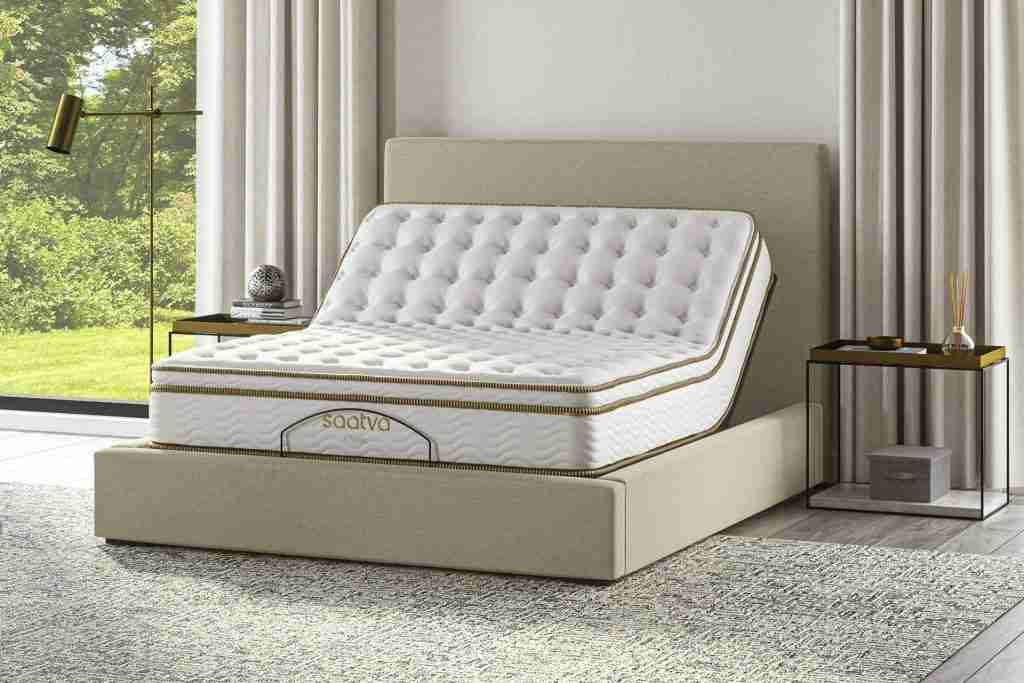
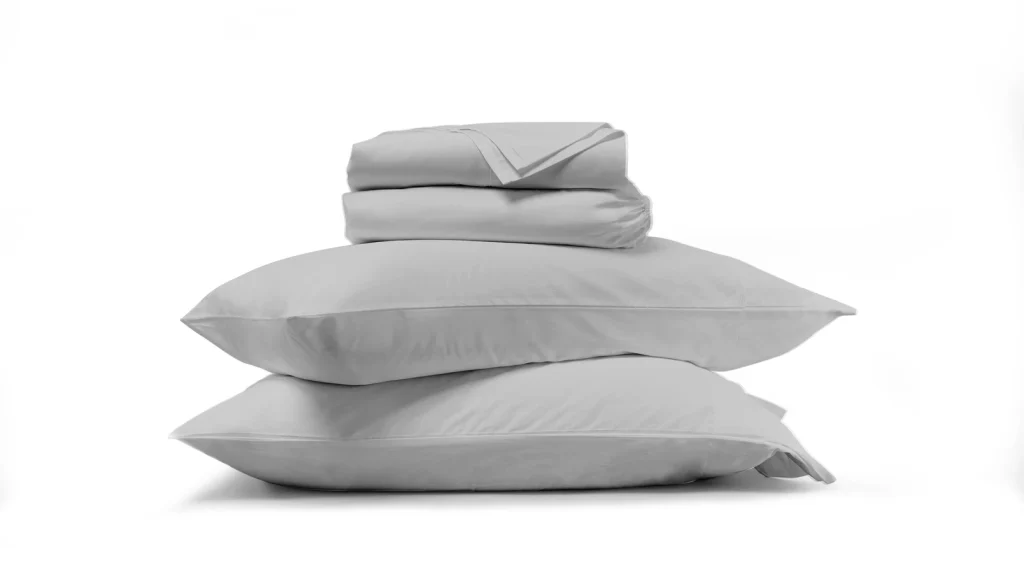
Before getting my Saatva Classic Mattress in Luxury Firm, I researched the full lineup of Saatva products, from the beds to bedding accessories and bedroom furniture. I was able to visit the San Francisco Viewing Room, lie on all the beds available at the time, and explore their curated collection of bedroom furnishings. The three top-selling “medical mattresses” Saatva offers are the Saatva Classic, Saatva Rx, and Saatva Zenhaven. Any of these mattresses will especially support healthy recovery and restorative sleep. I chose the Classic for the extra lumbar support in the center third of the mattress and how comfortable it was to lie on. Let’s not forget the Saatva adjustable base, which can elevate the head and feet. I love this under our bed. I went all in on the mattress cover, sheets, and duvet cover as well. The way the mattresses are made and the natural materials used are important to patients as well, because there is no off-gassing or weird smells in their sleep environment.
What are some of the most common everyday habits that contribute to pain or discomfort without people realizing it?
Let me give you a list of the common everyday habits that are bad for our bodies:
How do you help patients create healthy routines that support both movement and recovery outside the treatment room?
Our bestselling, award-winning & customizable mattress
1449 Twin – Split Cal King

For sleepers with chronic back & joint conditions
2139 Twin – Cal King

Dual-sided organic latex
2189 Twin – Cal King
Full body massage & more
1249 Twin – Upper Flex King
Customizable comfort
1045 Twin XL – Cal King

Percale cotton with stylish detailing
165 Ash, Indigo, Sand
Crisp & cool bed linens
125 Grey, Ivory, White
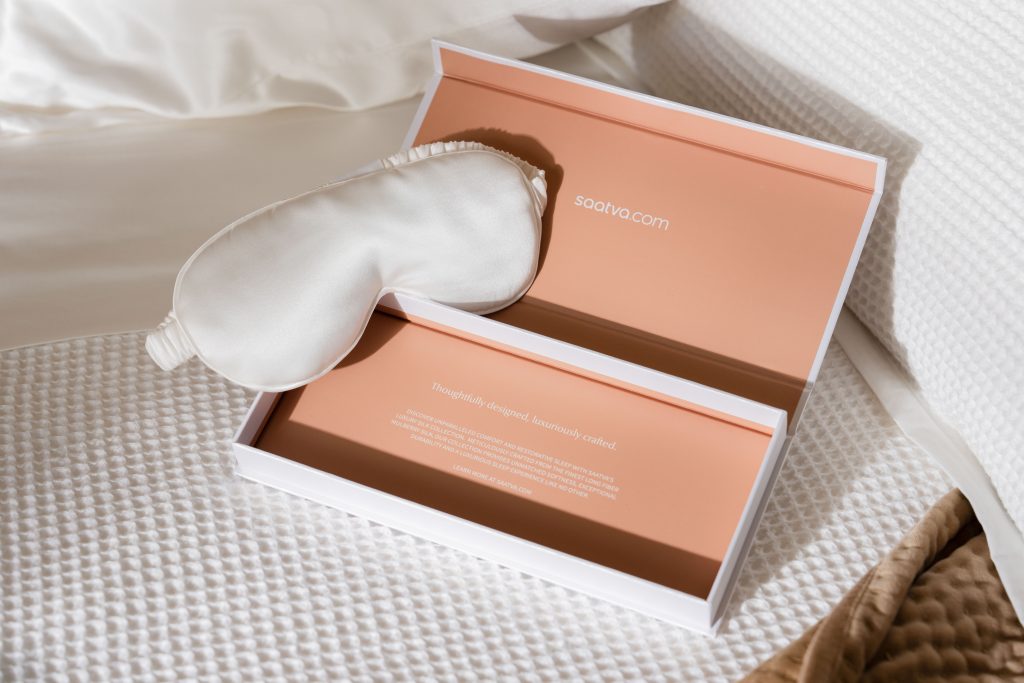
Relief for tired eyes
75 Graphite, Pewter, Sand, White
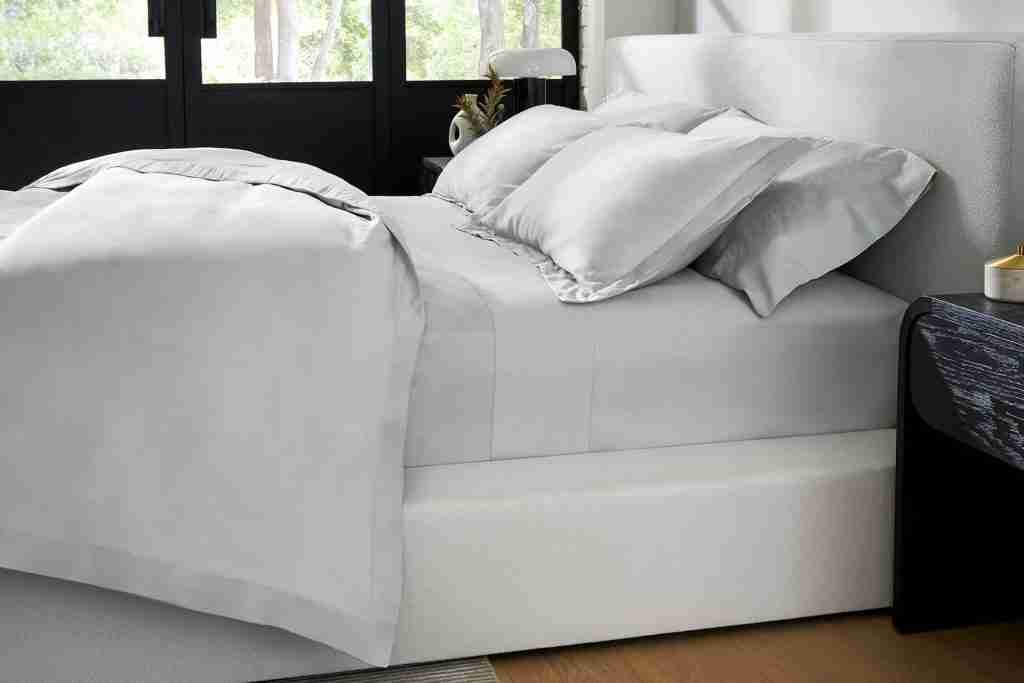
Crisp & cool percale cotton
155 Grey, Ivory, White